

Every Day Counts: FIFA’s $10,000-Per-Player World Cup Investment
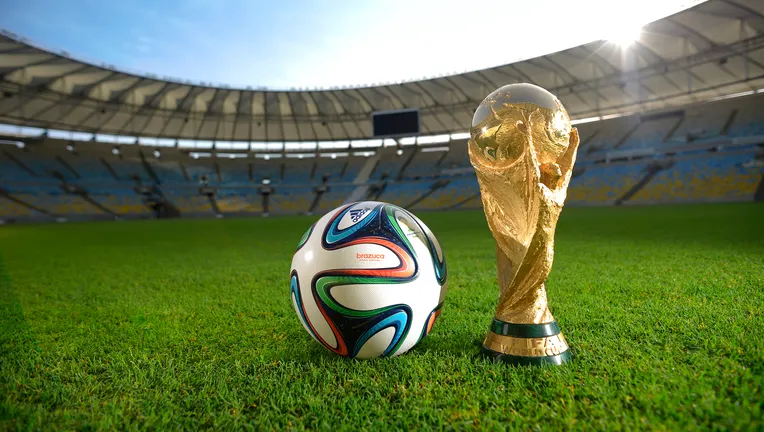
FIFA is reportedly preparing to increase the financial compensation awarded to clubs whose players participate in the 2026 FIFA World Cup, with clubs expected to receive more than €9,000 per player per day, equivalent to nearly $10,000, through the Club Benefits Programme.
The reported increase comes ahead of the first 48-team World Cup, which will be hosted by the United States, Canada, and Mexico. With the expanded format expected to include more players and a longer competition period, clubs around the world could receive significantly higher payments than in previous editions.
Dr. Ahmed Shaban, supervisor of the Second Division at the Egyptian Football Association, said the move reflects growing recognition of the role clubs play in modern football.
“Any enhancement to FIFA’s compensation system is a positive step for clubs worldwide,” Shaban said. “Egyptian clubs invest significant resources in developing players, and financial support programs such as these help strengthen club sustainability while encouraging continued investment in sports development and youth programs.”
The Club Benefits Programme was originally introduced to reward clubs for releasing players to represent their national teams, while acknowledging the role clubs play in developing players throughout the football calendar.
Former Egypt international and football analyst Hany Ramzy said the reported increase is justified, especially as the demands placed on clubs continue to grow.
“Clubs carry much of the responsibility for developing players throughout the season,” Ramzy said. “It is only fair that they receive appropriate compensation when those players participate in the world’s most prestigious football tournament.”
The financial boost could be particularly valuable for clubs with multiple international players, especially those competing at the highest levels of domestic and continental football. Additional revenues could help clubs support long-term sporting projects and improve operational stability.
Ramzy added that the impact of the payments could extend beyond immediate financial relief. “These additional revenues can be reinvested in youth academies, scouting networks, and football infrastructure, ultimately benefiting the game as a whole,” he said.
Shaban also emphasized the broader significance of such initiatives, noting that compensation mechanisms help create a more sustainable football ecosystem by rewarding clubs for their investment in talent development.
While FIFA has yet to officially confirm the final figures and distribution model, the reports have generated considerable interest among clubs and football administrators, who are closely monitoring the details ahead of the 2026 FIFA World Cup.


