
From Local Villages to the House of Representatives for the Assembly of Local Councils and New Constitutional Amendments
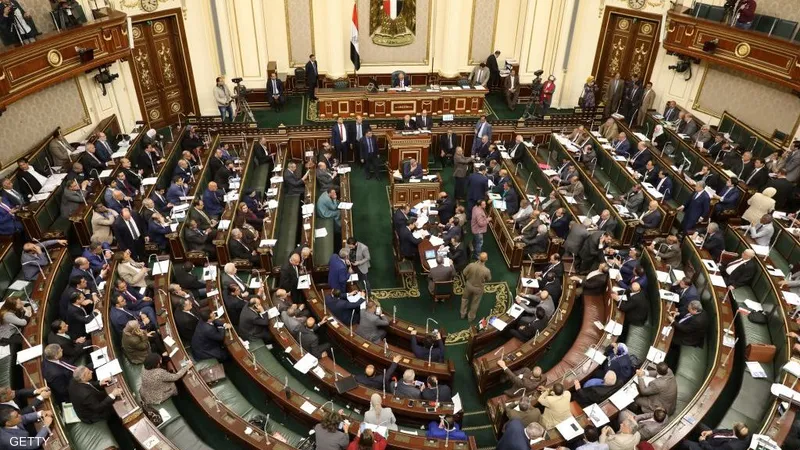
Across the villages, neighborhoods, and municipal districts of Egypt, a critical legislative debate has taken hold of public interest as the House of Representatives continues its discussion of the draft Local Administration Law. These parliamentary sessions have triggered intense legislative and constitutional debates that could pave the way for limited amendments to certain constitutional provisions related to the organization of local administration and the mechanisms for forming local councils. The ongoing deliberations aim to fundamentally restructure local governance, establishing a definitive balance between top-down state oversight and direct, community-level citizen participation.
The functional necessity of these amendments stems from deep structural friction discovered during the drafting phase of the bill. Abdel Hamid Mohamed, parliament member, stated that parliamentary discussions revealed practical challenges related to implementing certain constitutional articles concerning the local administration system, particularly regarding the composition of councils, representation ratios, and their granted powers. He explained that “the current approach aims to achieve greater legislative flexibility to ensure that constitutional provisions align with the requirements of practical implementation.”
He added that the reinstatement of local councils has been a popular demand for years, as they are the closest mechanism for citizens to monitor daily services within villages and neighborhoods.
Mohamed noted that passing the law will pave the way for taking the necessary steps to organize local elections in coordination with the relevant authorities.
The continued absence of these decentralized bodies has significantly altered how public infrastructure and community resources are policed on the ground. Khaled Tayie, another parliament member, explained that the absence of local councils in recent years has led to a decline in direct oversight of certain service and development projects. He believes their return will contribute to enhancing transparency and combating corruption at the local level, through the presence of elected representatives who monitor project implementation and local spending.
Tayie pointed out that the upcoming elections are among the largest electoral events in the country, given the need to elect tens of thousands of local council members. This necessitates a sufficient preparation period, including the division of electoral districts, the preparation of databases, and full judicial oversight of the electoral process.
From a jurisprudential standpoint, rushing the legislation without resolving these structural contradictions poses a severe risk to the permanence of the entire local governance apparatus. Dr. Saber Abdel Aziz, Professor of Law at Helwan University, stated that the current situation reflects the natural relationship between the constitution and the law, as no law can be issued that contradicts constitutional provisions.
He explained that Parliament encountered some constitutional articles during the drafting of the bill that raised practical issues, prompting it to consider amending them before finalizing the legislation. He added that “ignoring these issues could lead to what is known as a constitutional flaw, which could expose the law to challenge before the Supreme Constitutional Court in the future.” He noted that this would threaten the stability of local councils after their election and return the process to square one.
Abdel Aziz pointed out that any potential constitutional amendment would be subject to the procedures stipulated in the constitution, beginning with a formal request for amendment, followed by parliamentary debates and voting within the House of Representatives, culminating in a public referendum, which represents the decisive stage for the final adoption of any constitutional amendment.
As intense discussions continue within the halls of parliament, the Egyptian public closely awaits the final outcome of the draft law. The upcoming framework is widely viewed as a crucial, definitive step toward completing the state's local administration system and significantly enhancing citizen participation in monitoring essential services and managing daily affairs within their local communities.