

Inside Egypt’s Taekwondo Dojo Where Olympic Champions Are Made
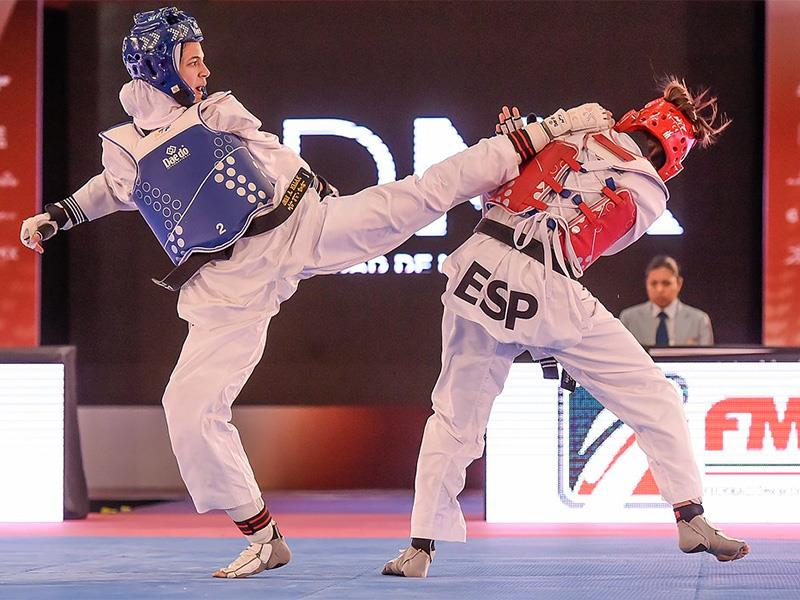
Inside one of Egypt’s elite Taekwondo training centers, the dojo is more than just a place for practice. It is an environment where athletes are pushed beyond their limits and transformed into competitors capable of performing on the Olympic stage. Moving from a local club into this world means entering a system built on discipline, pressure, and constant evaluation, where every detail matters and every performance counts.
Olympic coach Omar Ghonem explains that the atmosphere changes completely once athletes enter this environment. Surrounded by some of the best players and coaches in the country, athletes quickly realize they are part of a highly competitive system where everyone is constantly training and competing to improve. According to Ghonem, this creates a strong sense of responsibility because athletes begin to feel that they are representing Egypt, not just themselves. He describes the dojo as physically and mentally demanding, requiring patience, endurance, and emotional stability to handle the pressure and intense workload.
At the same time, Ghonem believes these challenges are exactly what make success meaningful. The exhaustion, stress, and sacrifices become part of the process that prepares athletes to compete internationally. For him, hearing Egypt’s name announced after a victory makes every difficult training session worthwhile. “The hardship becomes motivation,” Ghonem said.
Former Olympic athlete and coach Mohamed Shalaby, who trained champions such as Seif Eissa and Hedaya Malak, focuses on another side of the system: preparation and mental strength. Drawing from his experience in international competitions and world championships, Shalaby believes that training facilities in Egypt still have room for improvement, especially in terms of location and design. He argues that Olympic training centers should be isolated from distractions, allowing athletes to focus entirely on preparation during critical periods before competitions.
Shalaby also stresses that success in Taekwondo goes far beyond physical training. Nutrition, planning, recovery, and daily routines all play major roles in performance. However, he considers mentality the most important factor of all. “Athletes are already physically prepared,” Shalaby explained. “What really matters is whether they believe in themselves.” According to him, athletes who lack confidence are more likely to fail under pressure, regardless of their physical abilities. He also highlights the importance of psychological support, warning that unmanaged pressure, something many Egyptian athletes experience, can negatively affect performance and mental health.
This connection between preparation and mental strength is something Olympic medalist Seif Eissa understands well. Eissa says his passion for competition was what first drew him to Taekwondo. When he first entered the Olympic training center, the experience felt completely different from anything he had known before. “The atmosphere, the smell of the dojo, and even the equipment felt different,” he said. “I knew I had reached a higher level.”

Over time, the pressure that once felt intimidating became normal. The dojo no longer felt frightening; instead, it became a place where Eissa felt he belonged. He explains that standing in the center of the mat with everyone watching motivated him rather than intimidating him. From a young age, Eissa believed he would become a champion, and he constantly pushed himself to reach levels beyond athletes he admired, including American Taekwondo legend Steven Lopez.
Eissa’s journey reflects the combination of belief, environment, discipline, and preparation that shapes elite athletes. Inside Egypt’s Taekwondo dojos, champions are not created through talent alone, but through years of pressure, sacrifice, and the ability to transform challenges into motivation.