
Egypt Urges Travel Caution as Ebola Raises Global Health Alerts

After Egypt’s Ministry of Health advised citizens to postpone non-essential travel to Ebola-affected areas, the virus has returned to public attention as part of a wider global health alert. Although Egypt has confirmed that it remains free of Ebola infections and that the risk to citizens is currently low, the warning reflects renewed concern over a virus that remains one of the world’s most dangerous infectious diseases.
Nearly 50 years after its discovery, Ebola continues to pose a serious threat to global public health because of its high mortality rate and its ability to cause severe hemorrhagic fever, internal bleeding, and organ failure. The recent warnings have also renewed questions about how the virus spreads, who is most at risk, and how countries can prevent it from crossing borders.
Dr. Radwa Hassan, Professor of Virology in the Microbiology Department at the Faculty of Science, Ain Shams University, said the Ebola virus was first discovered in 1976 in both Congo and Sudan. She explained that the virus was named after the Ebola River, which is located near the area where one of the first outbreaks appeared.
Hassan said the virus belongs to the Filoviridae family, a group of filament-shaped viruses. Its danger, she explained, lies in its ability to cause hemorrhagic fever by attacking the immune system after entering the body, weakening the body’s ability to fight infection.
The disease can then progress quickly, affecting vital organs and causing internal bleeding and organ failure. Hassan said the natural reservoir of the virus is believed to be fruit bats, which can carry the virus without showing symptoms.
She explained that transmission to humans can occur through direct contact with infected animals or their bodily fluids, as part of what is known as zoonotic disease transmission. Hassan stressed that Ebola is not airborne like influenza, but spreads through direct contact with the blood or bodily fluids of infected people or animals carrying the virus.
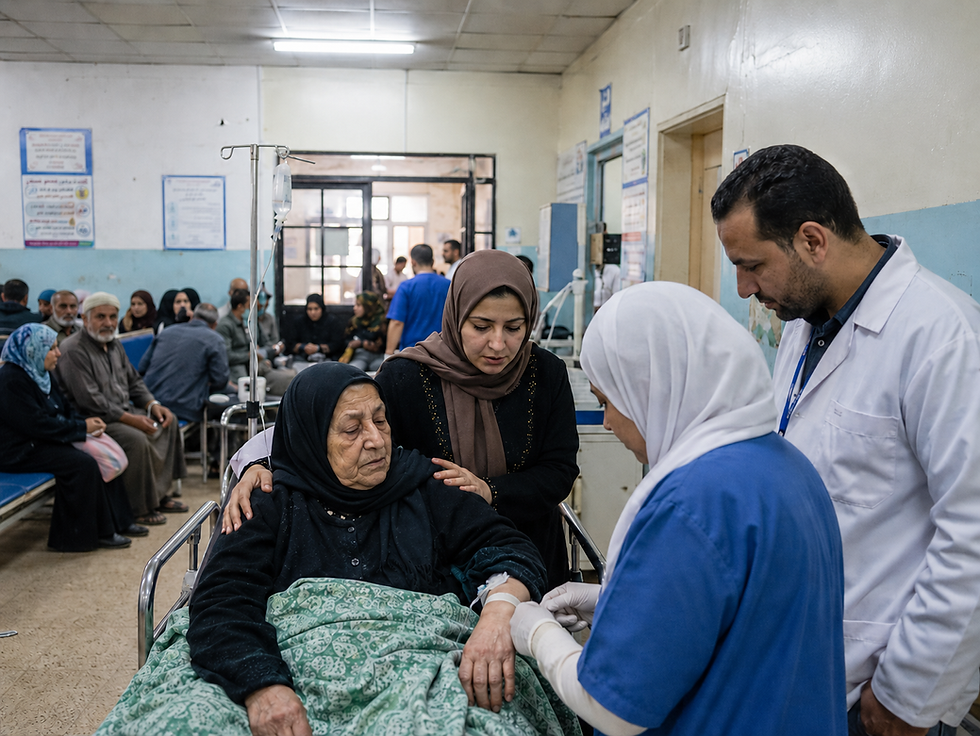
Healthcare workers, people in close contact with patients, and individuals who hunt or handle wild animals are among the groups most vulnerable to infection, she added.
Dr. Omar El-Sayed, a consultant in internal medicine, said the danger of Ebola comes from the speed and severity with which it attacks the body. He explained that the virus can damage blood vessels and cause serious immune system disruption, leading to internal and external bleeding and failure of several organs.
El-Sayed said mortality rates from Ebola can range between 50% and 90% in some cases that do not receive prompt medical care. However, he emphasized that the chances of controlling the disease increase significantly when cases are detected early, infected individuals are isolated, and proper medical care is provided.
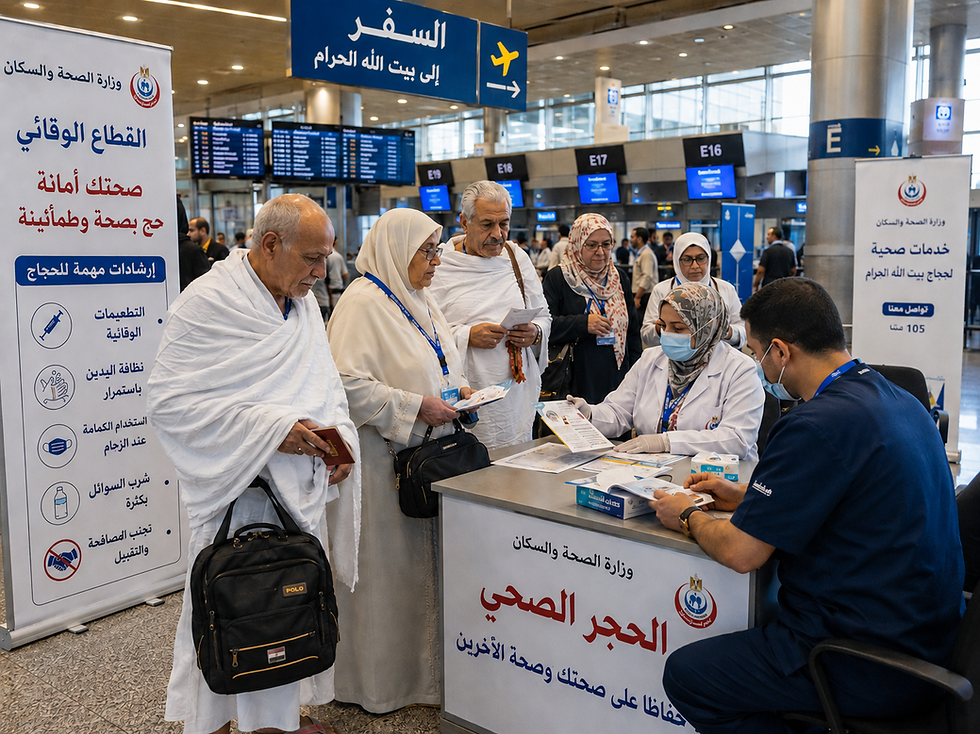
He added that international travel and air traffic can increase the risk of the virus spreading to other countries, especially if an infected person is still in the incubation period and has not yet developed symptoms. For this reason, he said health monitoring measures at different points of entry remain important.
Regarding treatment, Dr. Wael Mohamed, a specialist pharmacist, said the management of Ebola virus infection has witnessed major progress in recent years. He explained that treatment is no longer limited to relieving symptoms, as targeted therapies based on monoclonal antibodies are now available.
Mohamed said these antibodies work by binding to the virus’s surface proteins, preventing it from entering cells and multiplying inside the body. When used in the early stages of infection, he added, these treatments can give the immune system a better chance to fight the virus, improving recovery rates and reducing serious complications.
He also pointed to the availability of effective vaccines against Ebola, most notably the Ervebo vaccine, which has shown strong effectiveness in protecting high-risk groups, especially medical workers and people who have been in contact with infected individuals in outbreak areas.
In terms of prevention, Mohamed stressed the importance of hygiene and disinfection measures. He explained that although Ebola is highly dangerous inside the body, it is an enveloped virus, which means it can be eliminated outside the body using common disinfectants such as 70% ethyl alcohol, diluted chlorine solutions, soap, and traditional detergents.