
Rural Public Hospitals between Patient Pressure and Limited Resources
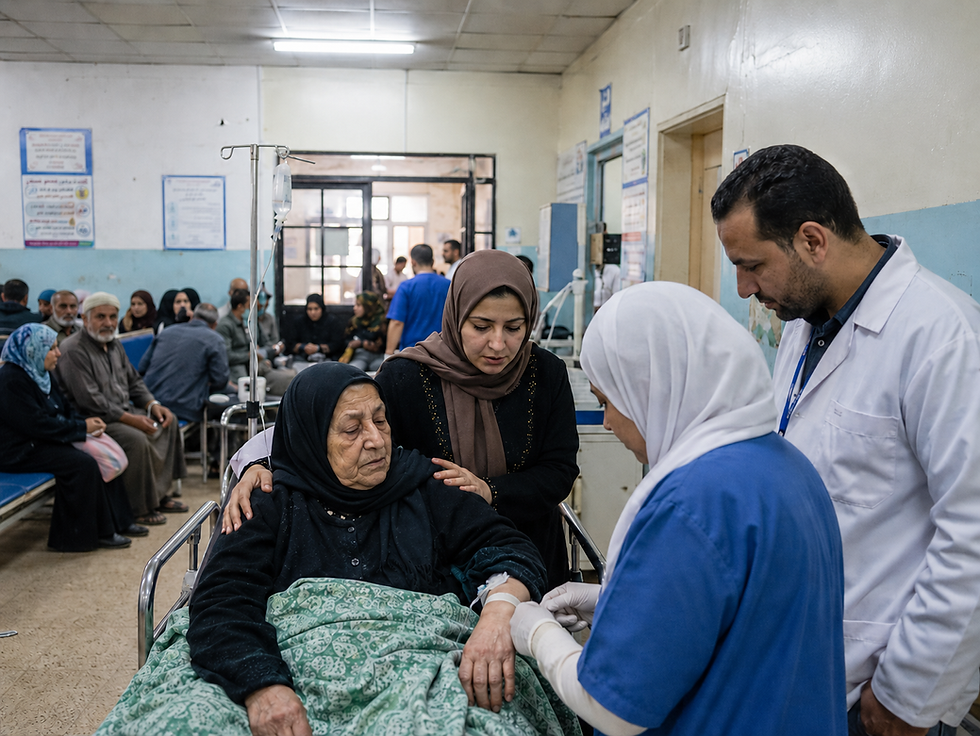
Inside many public hospitals in rural areas and villages, medical teams work under daily pressure to provide healthcare services to thousands of patients, often amid shortages in medical resources, nursing staff, and specialized doctors, especially in emergency departments.
Although some hospitals have witnessed development efforts in recent years, receiving treatment remains a difficult daily journey for many low-income families who mainly depend on government healthcare services.
Dr. Mahmoud Abdallah, a professor at the Faculty of Medicine, Tanta University, and a Member of the Royal College of Surgeons of England, said one of the main challenges facing public hospitals, particularly in rural and remote areas, is the shortage of resources needed to deal with emergency cases and patients who require long-term hospitalization. He also pointed to the lack of some medical specialties, which sometimes forces hospitals to refuse certain cases because they do not have the necessary capabilities to provide proper treatment.
Abdallah added that the government has recently been working to improve healthcare services by increasing the number of doctors and allowing temporary contracts for rare medical specialties. He said these efforts also include attempts to provide medical supplies whenever possible, especially as more patients turn to public hospitals following the rise in private healthcare costs.
From inside the hospital, Mohamed Hemeida, a nurse at Tanta General Hospital, said emergency departments face intense pressure every day, which can sometimes lead to tension or disputes between patients’ families and hospital staff because of overcrowding and long waiting times.
Hemeida explained that many public hospitals also suffer from a shortage of nursing staff compared to the large number of patients they receive. He said the most common daily cases include accidents, diabetes-related conditions, kidney dialysis patients, and patients visiting outpatient clinics after the rise in consultation fees at private clinics.
“This has increased the number of people depending on public hospitals during the recent period,” Hemeida said, while noting that some improvement has taken place in services and medical resources.
For many families, the crisis is not only medical but also financial and emotional. Yara Mohamed, a university student based in Tanta, described her grandmother’s treatment journey inside a public hospital as exhausting. She said the family struggled with overcrowding, long waiting periods, and the shortage of some medications and medical tests inside the hospital, forcing them to buy medicine and carry out some examinations at private medical centers.
Mohamed added that the family had to travel several times to another city so her grandmother could receive medical examinations and services that were unavailable at the nearby rural hospital. The repeated trips caused further hardship because of her grandmother’s old age and poor health condition.
Despite these difficulties, Mohamed said some doctors and nurses treated patients with humanity and respect and tried to help as much as they could despite the intense pressure inside the hospital.
As patients continue their daily search for treatment, public hospitals in rural areas remain the first line of healthcare for millions of low-income families. Yet the growing pressure on these facilities continues to raise demands for more medical resources, additional doctors and nurses, and faster, more efficient healthcare services that can respond to patients’ needs.