
The “Ramadan” Diabetes Clinic’s Night Shift: Treating Fasting Complications After Iftar

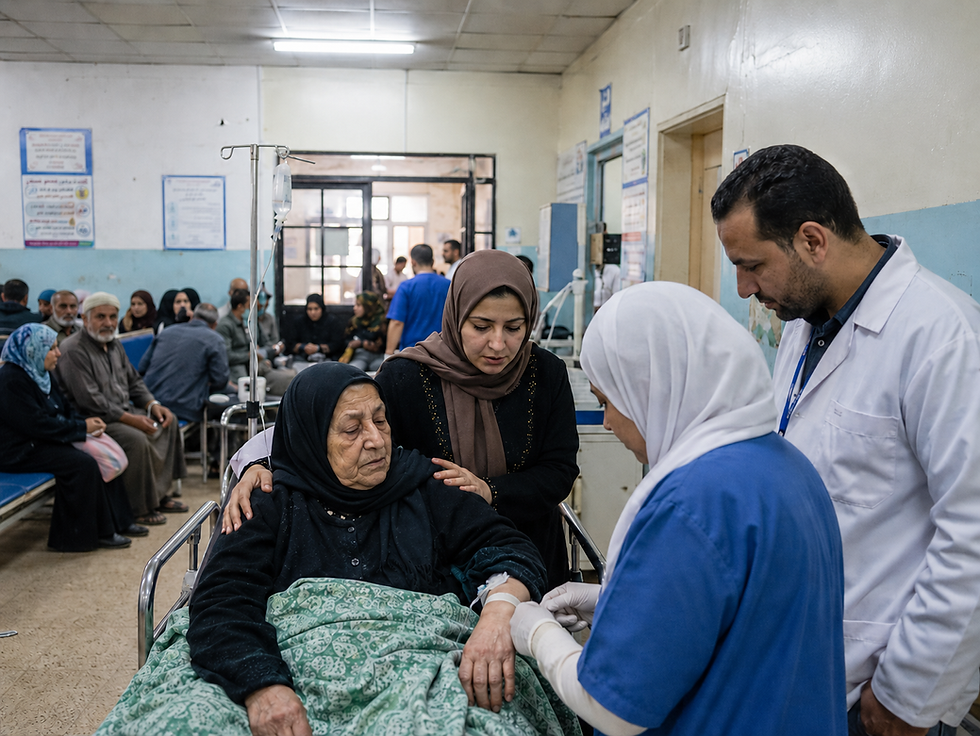
The hospital corridors begin to grow busy just minutes after people break their fast. The quiet atmosphere of the morning quickly changes. Nurses move rapidly between rooms, doctors review patient charts under bright lights, and patients continue arriving one after another. Some are accompanied by family members, while others walk in alone looking exhausted. At the Ramadan diabetes clinic, the real work begins after sunset. For many patients, the hours after iftar are not only a time for rest, but also a time when fasting-related health complications begin to appear.
Inside the clinic, doctors speak to patients gently but firmly, trying not only to treat them but also to help them understand what is happening to their bodies. Some patients arrive feeling dizzy because of low blood sugar, while others suffer from extremely high sugar levels after eating large amounts of sweets. According to Dr. Inas Shaltoot, Head of the Diabetes Association and senior consultant at the clinic, many of the problems seen during Ramadan are linked to eating habits during iftar and suhoor. She explains that the clinic’s role is not only to provide treatment, but also to educate patients on how to fast safely and when fasting may become dangerous.
For people like Galal El Mesery, Ramadan is a time of balancing faith and health. El Mesery has lived with diabetes for ten years and also suffers from high blood pressure and high cholesterol. Over time, he has learned that fasting is not always suitable for his condition. He explains that many diabetic patients need water regularly, sometimes every two hours, which can make fasting difficult. When his condition worsens, he relies on insulin and medication to stay stable. El Mesery advises patients to drink enough water during suhoor to avoid dehydration and kidney complications. He also warns against consuming large amounts of traditional Ramadan desserts such as kunafa and qatayef, recommending that people limit themselves to only two dates when breaking their fast.
El Mesery follows his condition carefully. He visits his doctor regularly and undergoes medical tests every three months. For him, Ramadan is not a period to neglect his health, but rather a time to become even more cautious. He tries to maintain a balanced diet, eating vegetables and fruits in moderation while reducing sugar intake. His experience reflects years of learning how to live carefully with a chronic illness.
From a medical perspective, Dr. Walaa Hosny explains that fasting recommendations differ from one patient to another. She says patients with Type 1 diabetes are generally advised not to fast, while some patients with Type 2 diabetes may be able to fast safely under close medical supervision. The most important step, she explains, is monitoring blood sugar levels regularly. If blood sugar drops to dangerous levels, patients should immediately break their fast. She also recommends breaking the fast with dates and balanced meals rather than sugary drinks, which can cause sudden spikes in blood sugar.
Dr. Hosny stresses that there is no single plan suitable for every diabetic patient. Dietary choices and fasting routines depend entirely on the individual’s medical condition. However, one piece of advice remains constant: excessive sugar consumption should be avoided. According to her, many nighttime emergencies occur because patients eat large amounts of sweets immediately after iftar while they are extremely hungry. The clinic becomes a place where these complications are treated before they become more serious.
Back in the hospital corridors, the rush continues late into the night. Patients leave carrying instructions on how to protect themselves during the holy month. Ramadan remains a deeply spiritual time, but for people living with chronic illnesses, it can also become medically challenging. The night shift at the diabetes clinic reveals a reality that often goes unnoticed: the constant balance between religious tradition and personal health, where every decision can have serious consequences.